
What are integrative therapies in assisted living?
Integrative therapies combine standard health care with supportive approaches that address physical comfort, emotional well-being, social connection, and personal meaning. In an assisted living community, these approaches may include music, gentle movement, massage, relaxation exercises, art, gardening, aromatherapy, or adapted mindfulness activities.
They are intended to complement—not replace—medical treatment, prescribed medications, physical therapy, or care for chronic conditions. The purpose is usually to support comfort, function, mood, sleep, confidence, or participation in daily life.
A therapy does not need to be unusual to be integrative. A familiar song, a short walk, hand massage, time outdoors, or quiet breathing exercises may all be part of a whole-person care plan.
Which integrative therapies are commonly offered?
Availability differs by residence, staffing, resident interest, and safety requirements. Common examples include:
- Music-based activities: Listening to meaningful music, singing, rhythm exercises, or music-assisted reminiscence may support mood, communication, and social participation.
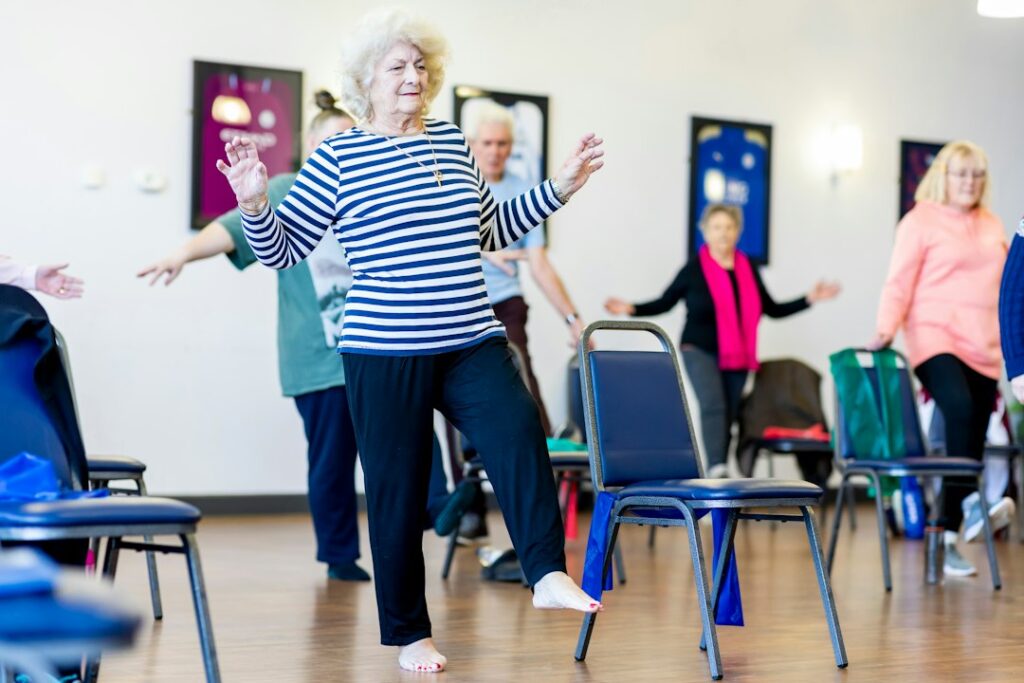
- Gentle movement: Seated stretching, balance exercises, tai chi, adapted yoga, and walking can help residents maintain mobility and body awareness.
- Relaxation practices: Guided breathing, meditation, progressive muscle relaxation, and guided imagery may help reduce tension or restlessness.
- Creative expression: Painting, drawing, crafts, poetry, and familiar creative tasks can encourage concentration and self-expression.
- Sensory activities: Hand massage, warm towels, textured objects, calming scents, and comfortable lighting may help residents who respond positively to sensory cues.
- Nature-based activities: Gardening, caring for indoor plants, birdwatching, and time in outdoor spaces can provide gentle activity and a sense of routine.
- Animal-assisted visits: Carefully supervised visits with trained animals may offer companionship and conversation for residents who enjoy animals.
Some approaches are delivered in groups, while others work better one-on-one. A resident who dislikes group exercise may respond well to a short individual walk or music session.
How can these therapies help older adults?
The effects depend on the activity, the resident’s health, and the quality of the program. Integrative therapies may help with several everyday concerns:
- Reducing stress or anxiety
- Supporting sleep routines
- Easing mild muscle tension or discomfort
- Encouraging movement and flexibility
- Maintaining attention and coordination
- Supporting social interaction
- Providing meaningful structure during the day
- Reducing boredom or withdrawal
- Supporting reminiscence and communication
- Increasing a resident’s sense of choice and control
These activities are not guaranteed treatments for dementia, depression, pain, or other medical conditions. They are better understood as supportive tools that may improve quality of life when matched to the individual.
For example, familiar music may help a resident with memory loss engage in conversation, but it does not stop the progression of dementia. Gentle movement may reduce stiffness, but it does not replace evaluation of a new injury or worsening pain.
Are integrative therapies safe in assisted living?
Many are low risk when adapted appropriately, but “natural” or non-medication-based does not automatically mean safe. Each activity should take account of a resident’s medical history, mobility, cognition, allergies, skin condition, sensory preferences, and current medications.
Important safety questions include:
- Could the activity increase fall risk?
- Does the resident have osteoporosis, joint replacement, dizziness, or balance limitations?
- Could a scent trigger asthma, migraine, nausea, or an allergic reaction?
- Is massage appropriate for fragile skin, swelling, bruising, or blood-thinning medication?
- Does the resident understand and agree to participate?
- Is the activity supervised by someone with suitable training?
- Could heat, cold, electrical devices, or pressure cause harm?
Residents should be able to decline an activity without pressure. Participation should also be reassessed if a resident appears distressed, tired, confused, short of breath, or uncomfortable.
A supplement or herbal product requires particular caution. Such products can interact with prescription medicines or affect blood pressure, blood sugar, bleeding, or alertness. They should not be added to a resident’s routine without review by the resident’s medical team and the person responsible for medication management.
How do assisted living communities personalize these activities?
Pennsylvania assisted living residences and personal care homes are expected to provide activities that reflect residents’ needs and interests. Programs may include group events, individual activities, and opportunities for socialization, depending on the residence.
Personalization may involve learning:

- What music the resident enjoyed earlier in life
- Whether the person prefers quiet or lively settings
- Which hobbies, religious practices, foods, or cultural traditions are meaningful
- Whether the resident is more comfortable indoors or outdoors
- What time of day the resident has the most energy
- What physical movements are comfortable
- Whether vision, hearing, language, or memory changes affect participation
A support plan might pair a resident’s interests with a practical goal. Someone who enjoys cooking could help sort herbs or set a table. A former gardener might water indoor plants. A resident who dislikes formal exercise might walk to deliver activity materials or practice seated movement while listening to familiar songs.
This approach is especially useful in Fullerton, PA, where seasonal weather can affect outdoor routines. During icy, rainy, or very hot conditions, indoor walking routes, window gardening, music, art, and seated movement can help maintain structure without creating unnecessary exposure or fall hazards.
Do integrative therapies replace medical care?
No. They should be coordinated with standard care rather than used as substitutes for diagnosis or treatment.
New pain, sudden confusion, weakness, falls, breathing problems, fever, medication side effects, or major changes in mood require appropriate medical attention. Relaxation activities may help a person feel calmer, but they should not delay evaluation of a serious symptom.
Physical, occupational, or speech therapy also has a different purpose from recreational wellness activities. Licensed rehabilitation professionals assess specific functional problems and create treatment plans. An exercise class, music group, or craft session may support those goals but does not automatically provide skilled therapy.
What should families ask before choosing a program?
Families and residents can ask practical questions about how integrative activities are selected and supervised:
- Which activities are offered regularly?
- Are individual alternatives available for residents who do not enjoy groups?
- How are activities adapted for dementia, limited mobility, hearing loss, or vision loss?
- Who leads movement, massage, meditation, or animal-assisted activities?
- How are allergies, infection control, and fall prevention handled?
- Can residents stop an activity at any time?
- Are additional fees involved, and if so, what exactly do they cover?
- How are preferences and responses documented in the resident’s support plan?
- How does the residence coordinate outside therapies with the resident’s health care providers?
The quality of a program is reflected less by how many activities are advertised and more by whether residents are treated as individuals. A quiet, familiar activity that a resident enjoys may be more beneficial than a crowded schedule of options that do not fit the person’s abilities or preferences.
What does meaningful participation look like?
Success may be subtle. A resident may appear more relaxed after music, initiate a conversation during gardening, sleep more comfortably after a calming evening routine, or feel more confident walking a short indoor route.
The goal is not to promise a cure or measure every activity by a medical outcome. The goal is to support dignity, choice, comfort, and connection while keeping safety and evidence-based care at the center of assisted living.
