
What Are Intergenerational Activities, and Why Do They Matter for Assisted Living Residents?
Intergenerational activities bring together people from different age groups—most often older adults and children or teenagers—for shared experiences and learning. For residents of assisted living communities in Fullerton, PA, these activities create unique opportunities to connect with the wider community, share meaningful moments, and participate in a vibrant social environment.
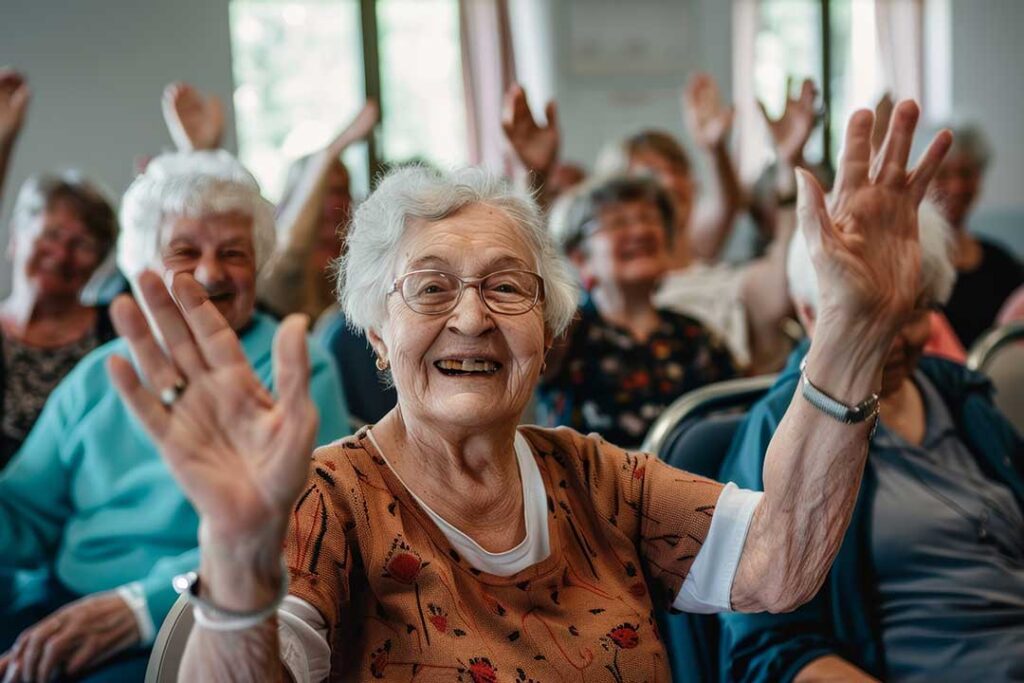
In assisted living settings, regular interaction with younger generations can help residents stay engaged, maintain cognitive function, and increase their sense of belonging. These activities can include everything from reading sessions with local schoolchildren to seasonal gardening projects and collaborative art workshops.
How Do Intergenerational Activities Influence Well-Being?
Engaging in activities with younger people has a positive impact on emotional and cognitive health. Residents in Fullerton who participate often report feeling happier and more energetic after such interactions.
Practical benefits include:
- Reduced feelings of loneliness or isolation, which can be heightened by seasonal changes or the area’s winter climate.
- Increased mental stimulation through games, storytelling, or skill-sharing.
- A renewed sense of purpose when older adults actively contribute to the growth and learning of younger participants.
Many assisted living residents are surprised at how much energy and joy these experiences bring, even if initial hesitance or uncertainty is common.
Which Types of Intergenerational Activities Work Well Locally?
Activities that fit naturally into Fullerton’s seasonal patterns and community life tend to be most successful. These might include:
- Storytime readings and book clubs with visiting school groups.
- Gardening projects, especially popular in the spring and early summer, using raised beds or apartment-friendly container gardens.
- Arts and crafts workshops for holidays or local events, sometimes involving family visits.
- History-sharing—residents can recount memories from the area’s past, helping children understand Fullerton’s community heritage.
- Cooking demonstrations using family recipes, offering a taste of local traditions for all generations.
The key is flexibility; activities should match the interests and abilities of both residents and youth participants, with adjustments for physical limitations or memory support needs.
Are There Challenges or Misconceptions About Intergenerational Programs?
A common misconception is that these activities are only enjoyable or beneficial for the younger participants. In reality, many assisted living residents in Fullerton find their own skills and life stories valued for the first time in years, which can be very empowering.
Challenges can include:
- Physical or cognitive limitations, which may require some adjustments or extra support.
- Scheduling, as school calendars and weather patterns may affect availability and turnout.
- Initial uncertainty, with some older adults feeling nervous about relating to younger generations, or vice versa.
Facilitators often work with families and visiting groups beforehand to ensure interactions are comfortable and welcoming for everyone involved.
What Should Residents Know About Privacy and Safety?
It’s natural for residents and families in Fullerton to have questions about privacy and safety, especially in today’s digital world. Most programs are designed with clear guidelines to protect all participants’ privacy. Activities occur in supervised settings within the assisted living community, and visiting groups are usually briefed in advance about appropriate conduct.
Residents can always choose whether or not to participate. If photographs are taken for community scrapbooks or newsletters, consent is obtained beforehand. Any personal stories shared are treated with respect.
How Can Residents Suggest or Shape Activities?
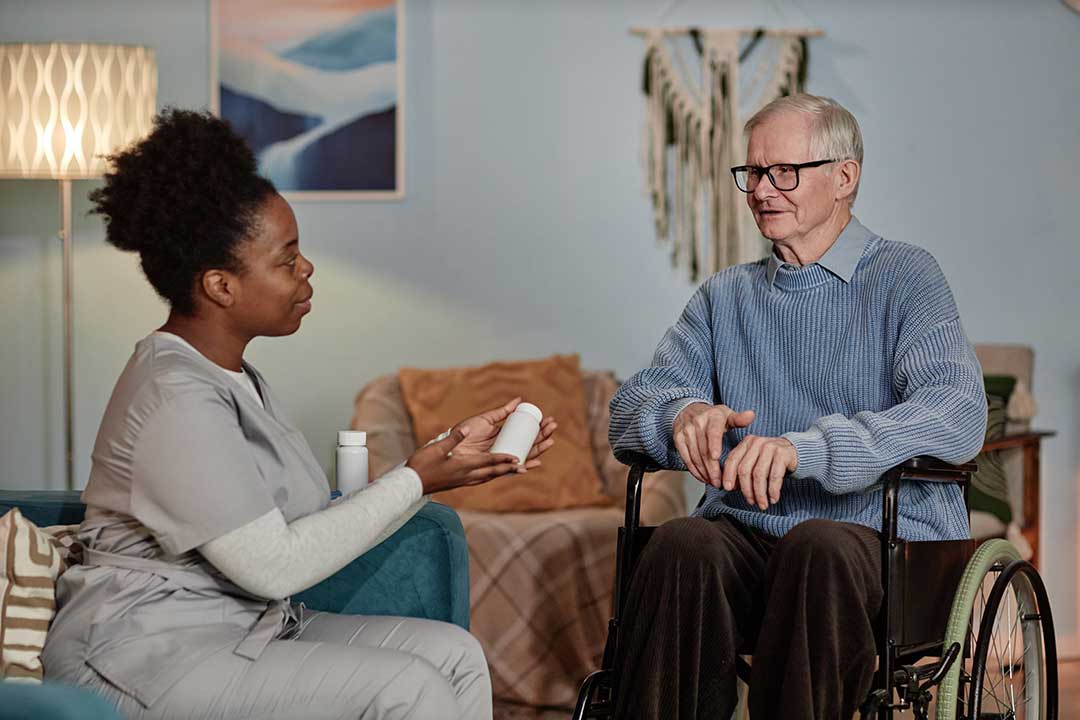
Residents who have hobbies, interests, or skills they’d like to share are encouraged to bring these ideas forward. Assisted living communities often welcome suggestions from residents, families, and even area schools looking for partnership opportunities.
Common ways residents help shape activities:
- Sharing a favorite pastime or tradition—like knitting, chess, music, or baking—with a youth group.
- Volunteering to lead sessions based on personal experience.
- Suggesting topics for group discussion, such as local history or seasonal changes.
These contributions make programs feel local, relevant, and genuinely personal rather than generic or routine.
What Are Some Expected Outcomes for Assisted Living Residents?
Residents regularly participating in intergenerational programs may notice several positive changes:
- Improved mood and increased daily motivation, especially during long indoor months typical of Fullerton’s winter.
- Sharper recall of memories, especially if storytelling or reminiscing is involved.
- New or strengthened friendships within the community from shared experiences.
- Broader sense of community inclusion, with more opportunities to see themselves as active members of the city’s social life.
There is also a ripple effect: younger participants often leave with new respect for older adults and a better understanding of the value of every generation.
Common Practical Questions Residents Have
Do I have to participate every time?
No. Participation is always voluntary, and residents can try an activity to see how they feel.
What if I have mobility needs or memory support needs?
Programs are adapted where possible. Staff or facilitators are available to help everyone participate safely and comfortably.
How are visiting youth groups selected?
Local schools, community groups, or family networks often arrange visits in advance. There is usually collaboration with the assisted living community to ensure a positive experience for all.
Can family members join?
In many cases, yes—especially for special events. This can offer an added layer of comfort and enjoyment for residents.
Bringing together generations in assisted living communities supports both emotional well-being and stronger local connections. For many in Fullerton, these interactions add warmth, purpose, and lasting memories to daily life.
