

Why do family members attend assisted living events?
Family members attend assisted living events to maintain relationships, understand daily life, and support the resident’s sense of belonging. Events may include holiday gatherings, exercise classes, music programs, educational talks, craft activities, outdoor socials, shared meals, or resident-led celebrations.
Participation does not have to mean attending every activity. A short visit, a phone call during an event, helping with transportation, or sending a familiar item can also provide meaningful support.
For residents in Fullerton, PA, family involvement may be shaped by seasonal weather, work schedules, transportation needs, and the distance between households. Planning ahead is often more useful than waiting for a special occasion.
How can a family member choose the right events?
The best event is usually one that matches the resident’s interests, energy level, health needs, and comfort with social activity. A crowded celebration may appeal to one person but feel tiring or overwhelming to another.
Before attending, consider:
- Whether the resident enjoys groups or prefers quieter visits
- The time of day when the resident is most alert
- How long the activity is expected to last
- Whether seating, shade, restrooms, and quiet spaces are available
- Whether the resident has dietary, mobility, hearing, or vision needs
- Whether the event involves unfamiliar guests or changes to the regular routine
Ask the resident what sounds enjoyable rather than assuming that a large family gathering is always preferred. A person who once enjoyed parties may now favor a small activity, a familiar conversation, or watching from the edge of the room.
What should families do before arriving?
A little preparation can make the visit smoother. Check the event time, location, expected length, visitor rules, and whether family members need to sign in. If the activity includes food, confirm whether the resident has swallowing precautions, food allergies, diabetes-related restrictions, or other dietary considerations.
It also helps to ask whether the resident should bring:
- A sweater or light jacket
- Glasses or hearing devices
- A mobility aid
- A labeled water bottle
- Comfortable shoes
- A calendar or written reminder
Seasonal conditions can affect attendance. Cold weather, rain, snow, heat, or slippery walkways may require extra travel time and more careful planning. Families should avoid rushing a resident from a vehicle into an event, especially when balance, breathing, or joint pain is a concern.
If a family member is sick, even with mild respiratory or stomach symptoms, postponing the visit may protect residents and other attendees. Current visitor guidance may vary, so the household should check the community’s rules before arriving.
How can a family member participate without taking over?
Family members can be helpful by joining the activity as guests rather than directing it. The resident should remain the focus of the experience, with staff guiding the schedule and safety procedures.
Helpful participation may include:
- Sitting beside the resident during a performance
- Introducing relatives or guests calmly
- Helping with a craft only when assistance is welcome
- Taking part in a game without correcting every move
- Listening to the resident’s stories
- Encouraging conversation with other attendees
- Helping the resident return to a quieter area when needed
Avoid speaking for the resident unless communication support is necessary. Asking, “Would you like help explaining that?” preserves dignity and gives the resident control.
It is also wise to avoid criticizing food, activities, staff members, or other residents during the event. Concerns should be discussed privately through the appropriate channel rather than in front of the resident or guests.
What if the resident does not want to attend?
A resident has the right to decline an activity. Refusing an event does not necessarily mean the person is withdrawn, unhappy, or ungrateful. Fatigue, pain, anxiety, confusion, hearing difficulty, or an unpleasant past experience may explain the decision.
Respond without pressure. A family member might say, “That is fine. Would you rather sit together somewhere quiet?” This keeps the relationship positive while leaving room for another choice.
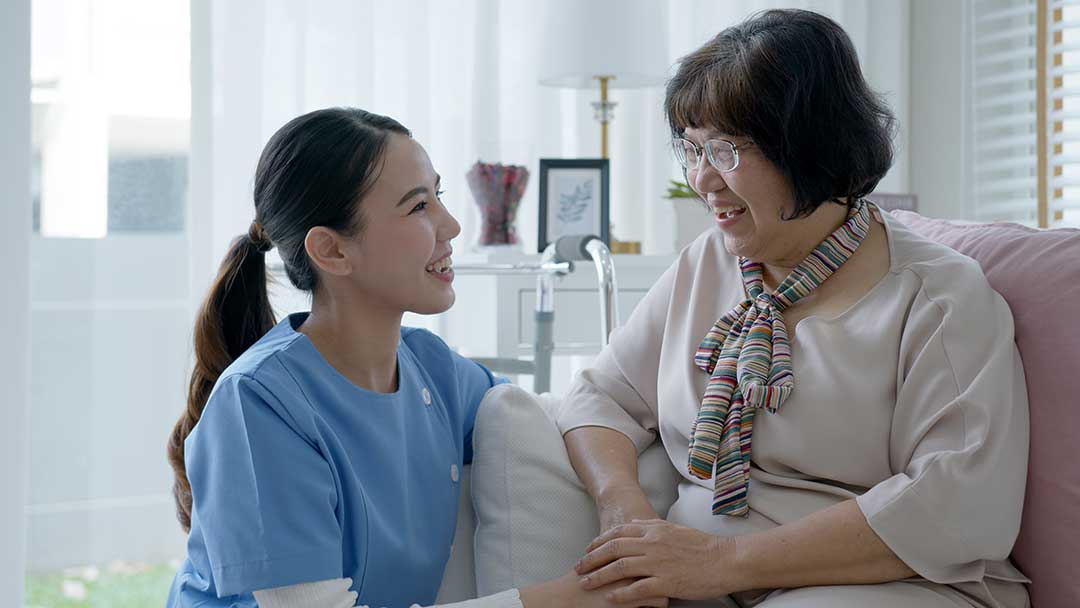
If the resident repeatedly avoids activities that were once enjoyable, pay attention to patterns. Changes in mood, sleep, appetite, mobility, memory, hearing, or medication effects may influence participation. Family members can share observations with the appropriate care team, while avoiding a diagnosis based on one missed event.
How should children and grandchildren participate?
Children can participate successfully when expectations are simple and flexible. A short visit may be more comfortable than staying for an entire program.
Before the event, explain that the resident may move slowly, repeat questions, speak differently, or need breaks. Children can be given a small role, such as showing a drawing, helping decorate a card, listening to music, or choosing a photograph to discuss.
Adults should supervise children closely and watch for signs that either the child or resident is becoming tired. Quiet activities often work better than demanding long conversations. Pets may also bring comfort, but animals should only attend when permitted and when the resident and other attendees can safely tolerate the visit.
How can families make events more meaningful?
A familiar connection often matters more than an elaborate activity. Family members can bring photographs, favorite songs, handwritten notes, seasonal decorations, or stories about shared experiences. These items may help start conversations when memory or communication is difficult.
Try asking open but specific questions:
- “What part of the program did you enjoy?”
- “Does this song remind you of anyone?”
- “Would you like to sit near the window or closer to the group?”
- “Should the visit continue, or would you like a break?”
For residents with memory loss, avoid turning the event into a test. Questions such as “Do you remember who this is?” may create stress. Commenting on the present—“That is a bright spring flower,” or “The music is lively today”—can support connection without requiring correct answers.
What should families do after the event?
Afterward, allow time for rest. Social activity can be rewarding but tiring, particularly for residents managing chronic illness, mobility limitations, or cognitive changes.
Notice what seemed to work:
- Was the time of day comfortable?
- Did the resident enjoy a small group more than a large one?
- Were there noise, lighting, or seating problems?
- Did the resident need more breaks?
- Would a shorter visit be better next time?
Share useful observations respectfully with the resident and, when appropriate, the care team. Specific information is more helpful than a general statement such as “The event went badly.” For example, “The music was enjoyable, but the room became tiring after about 30 minutes” gives a clearer basis for future planning.
What if a family member cannot attend in person?
Attendance is not the only form of involvement. A family member who cannot travel can send a card, arrange a video call if the resident is comfortable using one, contribute a family photograph for a display, or call before or after the program.
A reliable pattern may be more reassuring than occasional long visits. Even a brief conversation about an event can help the resident feel remembered and connected. Families should avoid promising to attend unless the plan is reasonably certain; missed expectations can be especially upsetting for residents who have been waiting for a visit.
Family participation works best when it respects the resident’s preferences, supports safe routines, and adds companionship without creating pressure. The goal is not simply to be present at an event, but to help the resident feel comfortable, included, and treated as an adult with personal choices.
