
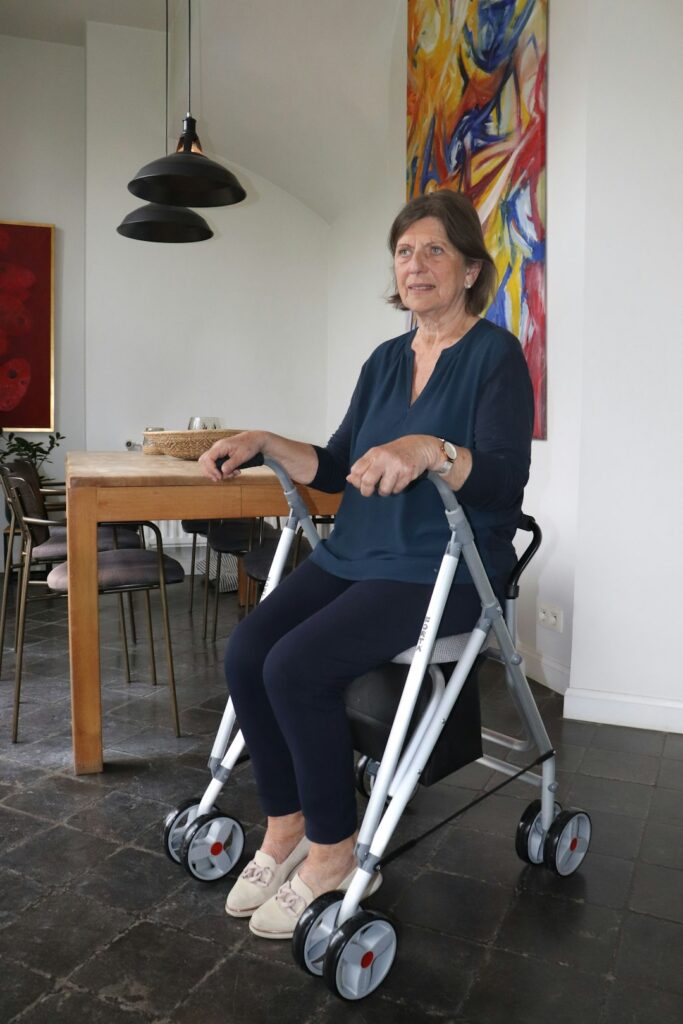
Falls are not an inevitable part of aging. In assisted living, many falls can be reduced by identifying hazards, reviewing medications, improving strength and balance, and making daily routines easier to navigate.
Why do falls happen in assisted living?
Most falls result from more than one factor. A person may have reduced balance, poor vision, a medication side effect, and a wet floor at the same time. Addressing only one issue may not provide enough protection.
Common contributors include:
- Weakness in the legs or core
- Dizziness when standing
- Arthritis, joint pain, or limited mobility
- Vision changes
- Foot numbness or reduced sensation
- Poorly fitting shoes
- Medication side effects
- Clutter, loose rugs, or uneven flooring
- Reaching for items from a chair or bed
- Rushing to the bathroom
- Fatigue, dehydration, or illness
A fall can also happen during an ordinary activity, such as turning around, stepping over a doorway threshold, or getting up at night. Prevention works best when it considers the entire daily routine rather than focusing only on walking.
How can a living space be made safer?
The safest living areas are well lit, uncluttered, and arranged so frequently used items are easy to reach. Furniture should provide clear walking paths rather than forcing a resident to squeeze between tables, chairs, or storage containers.
Practical changes include:
- Remove loose throw rugs or secure them with appropriate non-slip backing.
- Keep electrical cords away from walking areas.
- Place commonly used items between waist and shoulder height.
- Keep the bed, chair, and bathroom path free of obstacles.
- Use night-lights or low-level lighting between the bedroom and bathroom.
- Clean spills promptly and avoid walking across damp floors.
- Mark changes in floor height, such as thresholds, with a visible contrast when appropriate.
- Keep walkers, canes, and other mobility aids within easy reach.
Seasonal conditions also matter in Fullerton, PA. Wet footwear, tracked-in rain, snow, and ice can create slippery entryways during colder months. Residents should have a place to remove wet shoes safely, and walking aids should not be used with clogged or wet tips.
What footwear helps prevent falls?
Supportive, properly fitting footwear is safer than socks, slippers without a secure heel, or shoes with smooth soles. Shoes should fit comfortably without being loose enough to slide or twist.
Helpful features may include:
- A firm, non-slip sole
- A secure heel or adjustable fastening
- A low, stable heel
- Adequate room for the toes
- A closed or supported heel when balance is a concern
Bare feet are not always safer indoors. Socks can slide on smooth flooring, especially during nighttime trips to the bathroom. Footwear should be checked regularly because worn tread can reduce traction even when the shoes still look usable.
How do medications affect fall risk?
Some medications can increase the chance of falling by causing dizziness, sleepiness, blurred vision, confusion, or a sudden drop in blood pressure. These effects may be more noticeable after a new prescription, a dosage change, or the addition of an over-the-counter medicine.
Medications that may contribute to fall risk can include certain sleep aids, sedatives, blood-pressure medicines, pain medicines, and drugs that affect alertness. This does not mean a resident should stop taking a prescribed medicine. Stopping suddenly can be dangerous.
Instead, residents or family members should keep an up-to-date medication list and report symptoms such as new dizziness, unusual sleepiness, weakness, or unsteadiness to the appropriate healthcare professional. The timing of symptoms can help identify whether a medication or combination of medications may be contributing.
What should someone do about dizziness or weakness?
Dizziness after standing should not be ignored. A safer response is to pause, sit back down if needed, and wait until the feeling passes rather than trying to walk through it.
A gradual position change can help:
1. Roll to the side and sit at the edge of the bed.
2. Keep both feet on the floor.
3. Pause before standing.
4. Stand while holding a stable support.
5. Wait again before beginning to walk.
Residents should report repeated dizziness, fainting, new weakness, chest discomfort, or unusual shortness of breath. These symptoms may require prompt medical evaluation.
Dehydration, skipped meals, infection, and illness can also make walking less steady. Regular fluids and meals may help, unless a healthcare professional has provided specific limits.
Do exercise and strength training reduce falls?
Strength and balance activities can reduce fall risk when they are appropriate for the individual and performed safely. Exercises may focus on leg strength, posture, controlled standing, walking, and balance reactions.
Examples can include:

- Repeatedly standing from a sturdy chair
- Seated leg extensions
- Heel raises while holding stable support
- Short, supervised walks
- Balance exercises prescribed or demonstrated by a qualified clinician
Residents should not begin challenging balance exercises alone if they already feel unsteady. Exercises should match current ability, and a mobility aid should be used as directed. Regular movement is generally more helpful than remaining seated for long periods, but overexertion can also increase risk.
How can nighttime bathroom trips be made safer?
Nighttime falls are common because people may be sleepy, have reduced vision, or feel dizzy when getting up quickly. A clear, illuminated path is essential.
Before going to bed, residents can:
- Place needed glasses, footwear, and mobility aids within reach.
- Turn on a night-light or leave a safe light source available.
- Keep the route to the bathroom free of furniture and loose items.
- Avoid rushing.
- Use prescribed bathroom safety equipment correctly.
- Ask for assistance if walking alone feels unsafe.
A bedside commode or other arrangement may be appropriate in some situations, but it should be selected and positioned safely rather than improvised with unstable furniture.
What should happen after a fall?
A person who falls should not be pulled up immediately. Moving too quickly can worsen an injury, especially if there is pain in the hip, back, or neck.
After a fall, check for severe pain, bleeding, head impact, confusion, inability to move, or loss of consciousness. Emergency help may be needed for these warning signs. Even when no serious injury is obvious, the fall should be reported and evaluated because it may reveal a new health problem or environmental hazard.
A useful review asks:
- What was the person doing just before the fall?
- Were they dizzy, weak, or rushing?
- Was footwear secure?
- Was the area dark, wet, or cluttered?
- Had there been a medication, illness, or routine change?
- Was a walker or cane available and used correctly?
The answers can guide specific changes and help prevent a repeat event.
What fall-prevention habits are easy to overlook?
Small details can create significant risk. Wearing reading glasses while walking, carrying too many objects, using furniture as a substitute for a walker, or standing on a chair to reach something can all lead to a fall.
Residents should avoid climbing on stools or chairs, carrying hot liquids while using a walker, and walking while distracted by a phone or conversation. Any new difficulty with walking, transfers, vision, or balance deserves attention rather than being dismissed as normal aging.
A safer routine combines clear floors, good lighting, suitable footwear, careful position changes, medication awareness, regular movement, and prompt attention to new symptoms. These measures support independence while reducing avoidable hazards in assisted living.
